


How to Check for Uneven Heating: Simple Checks, Causes, and Fixes for a Comfortable Home
Uneven heating is when some rooms feel too cold or too hot compared to the rest of the house — cold spots, odd thermostat cycles, and higher bills are common signs. This guide walks you through safe, practical checks you can do yourself, explains the usual HVAC causes of imbalance, and points out when it’s time to call a pro. You’ll learn how filters, vents, ductwork, thermostat placement, and the building envelope can create uneven heating, plus step-by-step DIY inspections and clear triggers for scheduling a technician. We also cover the services technicians offer, what they check during a diagnostic visit, and the benefits of getting your system balanced again: better comfort, improved indoor air quality, and energy savings. We’ll use plain language and practical tips you can act on right away.
What Are the Common Causes of Uneven Heating in Your Home?
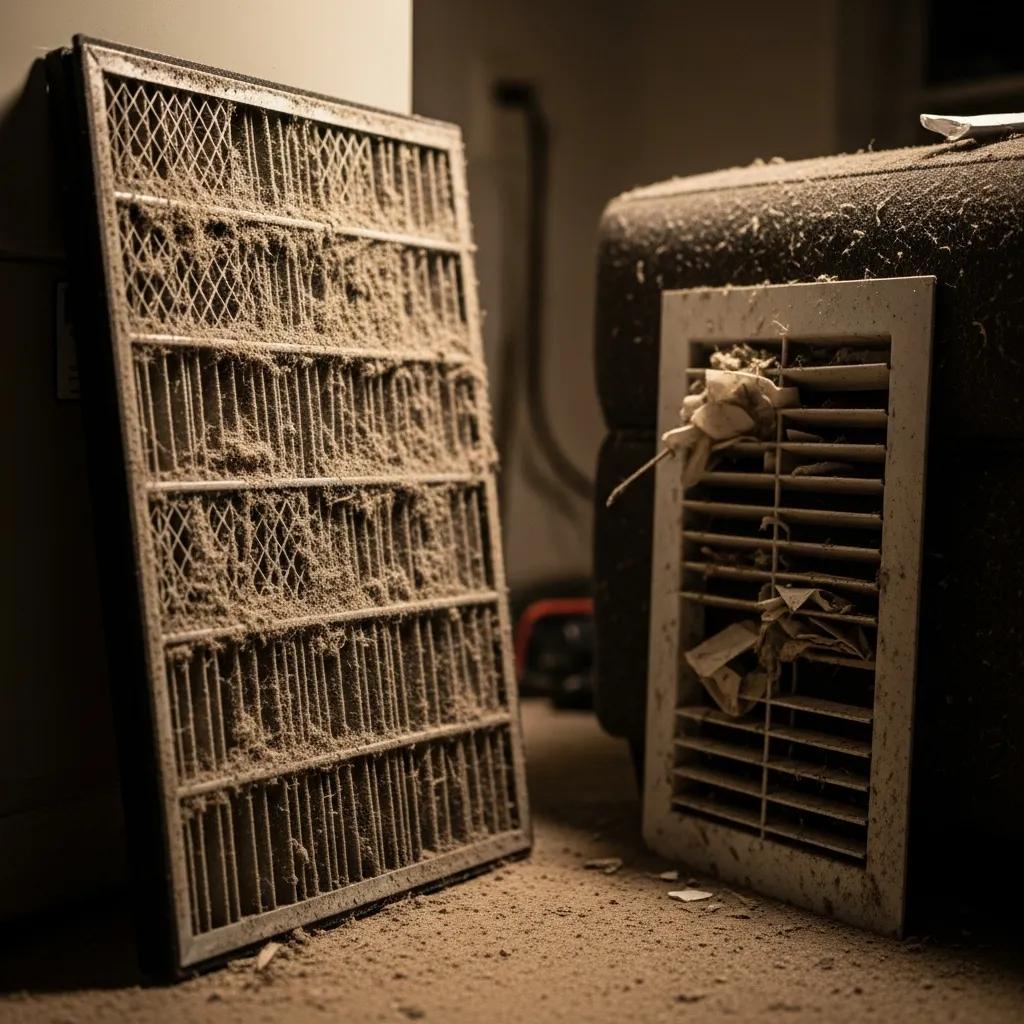
Most uneven heating comes from four places: restricted airflow, distribution losses in the ductwork, control issues with thermostats or zoning, and gaps in the building envelope. Restricted airflow shows up when filters are dirty or vents are blocked and registers deliver weak air. Distribution losses occur when ducts leak or lack insulation and send warm air into unconditioned spaces. Control problems — like a thermostat in the wrong spot or a miscalibrated sensor — can make the system run incorrectly. Envelope problems, such as drafts or missing insulation, let heat escape before it reaches rooms. Knowing these root causes helps you match symptoms to likely fixes and decide whether a DIY fix or professional help is best.
Different causes create recognizably different symptoms. The table below pairs common signs with likely causes and the next step to take.
| System or Component | Symptom | Likely Cause |
|---|---|---|
| Air filter & vents | Weak airflow at registers; dust build-up | Dirty filter or blocked vent registers |
| Ductwork | Cold rooms, warm attic, uneven room temps | Leaky or poorly insulated ducts |
| Thermostat | Inconsistent cycles; upstairs warmer than downstairs | Poor placement or calibration |
| Building envelope | Drafts, cold walls, heat loss near windows | Insulation gaps or air leaks |
As you can see, many symptoms point to airflow and distribution issues. Starting with filters and vents is a low-cost, high-impact first step before moving on to ducts or insulation upgrades.
How Do Dirty Air Filters and Blocked Vents Affect Heating Balance?
Dirty filters and blocked vents limit the blower’s ability to move air through the system. When airflow drops, some rooms don’t get enough warm air while others may overwork the system to compensate. High-efficiency pleated filters can trap more dust but also reduce flow if not changed regularly, and furniture or rugs that block returns upset pressure balance. Replacing filters on schedule and keeping supply and return registers clear improves airflow, reduces strain on the blower, and helps your system perform as designed.
Why Do Leaky Ducts and Poor Airflow Lead to Cold Spots?
Leaky ducts let heated air escape into attics, crawlspaces, or wall cavities, so less warm air reaches distant rooms and the system’s pressure balance is thrown off. Common leak points are duct joints, connections near the furnace, and poorly sealed flex runs. The result is cold rooms, dusty vents, and longer runtimes that waste energy. You can spot large disconnects or heavy dust during a visual check, but accurate leak detection often needs professional tools like pressure testing or thermal imaging. Sealing and insulating ducts restores airflow to registers, evens out room temperatures, and cuts energy waste.
Research shows that much of the cost of retrofitting residential ductwork comes from the labor needed to find and seal leaks, which led to new inside-sealing methods.
How Can You Perform Simple DIY Checks to Identify Uneven Heating?
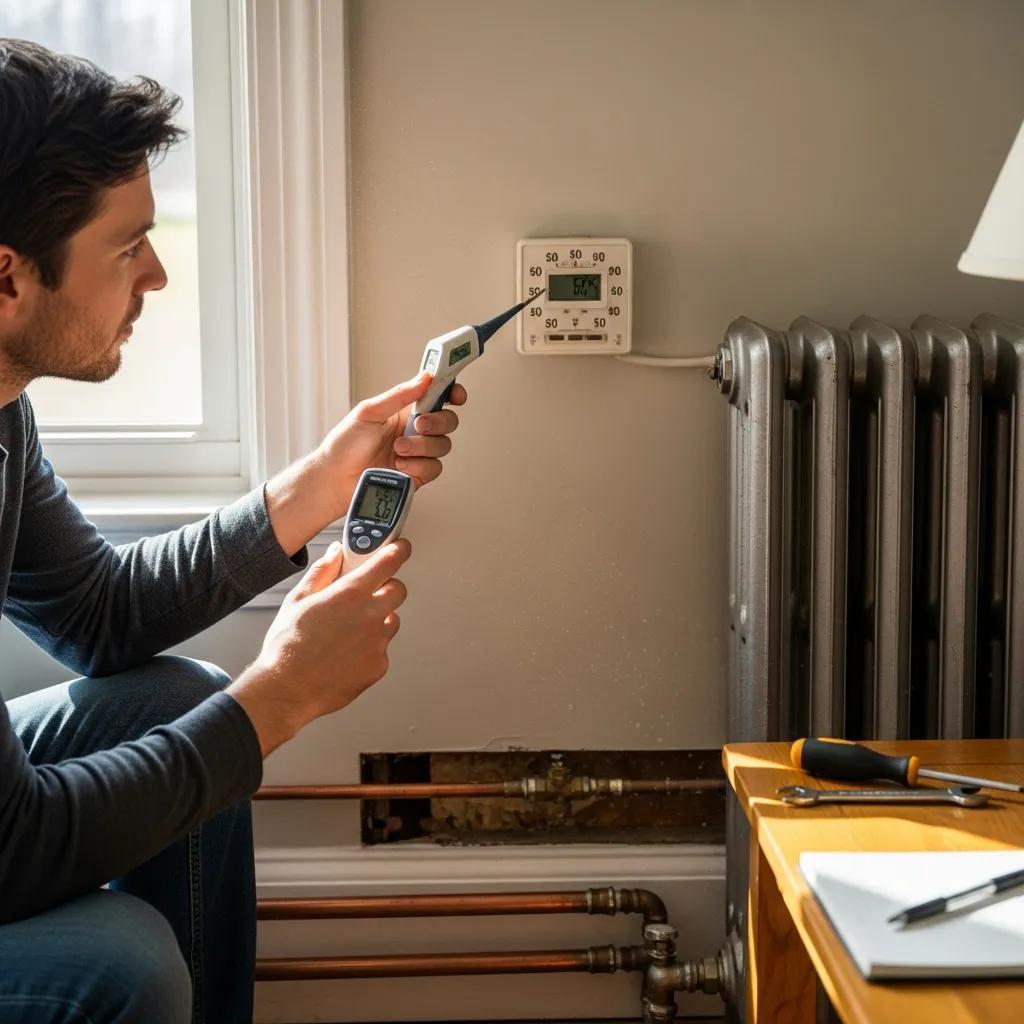
A few prioritized DIY checks will reveal many common causes of uneven heating without special tools. Start with the air filter and vents, then verify thermostat placement and operation, inspect supply registers and returns, and do a quick envelope check for drafts or missing insulation. Basic tools — a thermometer, flashlight, ladder, and tape — are enough for these steps. The checks below are ordered so you can find and fix the likely issues quickly.
- Check the air filter: Replace or clean the filter if it’s dirty — a clogged filter restricts airflow and makes the blower work harder.
- Inspect registers and returns: Make sure supply registers are open and unobstructed and return grilles aren’t blocked by furniture or curtains.
- Verify thermostat function: Check that the thermostat reads the room temperature accurately and that your settings and schedule match how you use the space.
These basic checks resolve many balance problems. If temperatures still vary, move on to the duct and envelope inspections outlined below.
Tools and expected signs: the checklist that follows ties each DIY check to the tools you’ll need and what to look for.
| Check | Tool / Supply | What to look for |
|---|---|---|
| Filter inspection | Replacement filter, gloves | Dark, clogged media; noticeably reduced airflow |
| Register check | Thermometer, vacuum | Small or no temperature rise at supply; blocked vents |
| Thermostat test | Small thermometer | Thermostat reading that differs from room temp |
| Draft check | Flashlight, incense stick | Air movement at windows/doors; visible gaps or cold spots |
How to Inspect and Clean Air Vents and Furnace Filters?
Inspecting and cleaning vents is a safe, high-impact DIY step. Turn the system off, remove registers with a screwdriver, and vacuum dust from supply and return openings. Wipe the register and surrounding trim with a damp cloth and reseat the register so it sits tight. For filters, match the size on the frame and replace disposable filters with the correct MERV-rated type; follow the manufacturer’s cleaning steps for reusable filters. During heavy heating seasons, check filters monthly — keeping them clean keeps airflow steady and reduces blower strain.
Once vents and filters are clear, the next step is sealing obvious drafts around the home that undermine heating balance.
What Are Easy Ways to Seal Air Leaks Around Doors and Windows?
Sealing leaks around doors and windows is a low-cost way to reduce cold spots and help your system work more efficiently. Use weatherstripping for moving parts and caulk for fixed seams; foam tape or door sweeps work well under doors. Check attic hatches, recessed lights, and electrical penetrations for leaks. An incense stick or a damp finger can help find drafts — seal the largest gaps first for the most immediate benefit. If you find widespread envelope problems, a professional insulation assessment is worth considering because attic or wall insulation upgrades often deliver the biggest long-term gains.
After fixing obvious leaks, reassess the house. If cold rooms persist, the likely causes are distribution (ducts) or control (thermostat/zoning) issues that require a technician.
| Area | Tool/Material | Quick fix |
|---|---|---|
| Doors | Door sweep, foam tape | Install a sweep at the threshold and seal around the door |
| Windows | Weatherstripping, caulk | Apply V-strip or caulk gaps around the frame |
| Attic hatch | Foam gasket, insulation | Add a gasket and an insulated cover |
| Recessed lights | Insulation, caulk | Seal and insulate around the fixture cans |
When Should You Call a Professional for Uneven Heating Diagnosis and Repair?
Call a professional if you find safety risks, persistent cold spots after DIY checks, or problems that need specialized tools and training — like duct testing, combustion safety checks, or load calculations for replacement systems. Signs that deserve a service call include gas smells, no heat, frequent short cycling, strange noises from the furnace or heat pump, or wide temperature differences between rooms even after checking filters and vents. A technician will do a diagnostic visit that measures airflow, inspects duct integrity, checks controls and thermostats, and evaluates system capacity for your home. Getting a prompt professional diagnosis saves energy, restores comfort, and helps you choose repairs or upgrades that make sense long-term.
HVAC systems can be complex to diagnose — accurate troubleshooting often relies on modeling and specialized diagnostic methods.
Decision checklist: match the service below to the problem you’re seeing to pick the right level of response and how urgently to schedule it.
| Service | What it fixes | When to call |
|---|---|---|
| Diagnostic visit | Identifies airflow, duct, and control issues | Persistent cold spots after DIY checks |
| Ductwork inspection/sealing | Reduces leaks and distribution losses | Cold rooms, dusty vents, long runtimes |
| Maintenance/tune-up | Restores efficiency and balances airflow | Noisy blower, short cycling, or regular upkeep |
What Services Does Honest Heating and Cooling Offer for Uneven Heating?
Honest Heating and Cooling, Inc. offers local heating diagnostics, repairs, and maintenance focused on the causes of uneven heating in Central Iowa homes. Our services include furnace, boiler, and heat pump repair or replacement; duct inspection and sealing; maintenance plans to keep filters and controls in working order; and full diagnostics to measure airflow and zone performance. We combine local experience with dependable service and emergency availability for Marshalltown and nearby communities. If your DIY checks point to problems beyond quick fixes, a diagnostic visit from a local provider will prioritize repairs and get your home comfortable again.
A professional inspection naturally leads to targeted fixes like sealing ducts, balancing airflow, or adjusting controls.
How Do Ductwork Inspection and HVAC Maintenance Fix Heating Imbalance?
Professional duct inspection usually includes a visual check, pressure or smoke testing, and sometimes thermal imaging to find leaks and disconnects. After locating leaks, technicians seal joints and transitions with mastic or mechanical fasteners and add insulation where ducts run through unconditioned spaces, which restores static pressure and improves register flow. Maintenance and system balancing involve adjusting dampers, verifying blower speed and airflow, cleaning coils and burners, and calibrating thermostats so the system responds correctly. Together, these actions deliver more heat to cold rooms, shorten runtimes, and extend equipment life.
Operational faults and inefficiencies in HVAC systems are a major driver of building energy use; fixing faults can yield measurable savings.
What Are the Benefits of Fixing Uneven Heating in Your Home?
Fixing uneven heating makes your home more comfortable, improves indoor air quality, saves energy, and reduces wear on HVAC equipment. Balanced airflow eliminates cold pockets and stagnant zones that trap dust and odors, helping filtration and humidity control work better. Energy savings come from shorter runtimes and fewer temperature overshoots — sealing ducts and improving airflow can lower heating costs over time. Fixes also reduce short cycling and uneven component wear, which delays big repairs and keeps your system reliable longer.
Here are the clear benefits you can expect after tackling uneven heating.
- Improved comfort: Even temperatures throughout the home remove cold rooms and hot spots.
- Better indoor air quality: Balanced airflow helps filtration and reduces stagnant areas.
- Energy savings: Shorter runtimes and less wasted heat lower utility bills.
- Longer equipment life: Fewer short cycles and less stress extend HVAC lifespan.
How Does Even Heating Improve Comfort and Indoor Air Quality?
Even heating spreads conditioned air so filtration and ventilation work evenly across the home, reducing spots where pollutants can collect. Stable temperatures help control humidity, lower condensation risk, and discourage mold or dust mite growth in cold corners. In short, a balanced system keeps occupants comfortable without extra space heaters that bypass central filtration — improving overall indoor air quality season after season.
How Can Fixing Uneven Heating Reduce Energy Bills and Extend HVAC Lifespan?
When airflow and distribution are corrected, your system reaches setpoints faster and runs less overall, which cuts fuel or electricity use. Research from energy agencies shows duct losses and poor airflow can cause major waste; sealing ducts and optimizing airflow helps systems meet their design efficiency. Reducing short cycling and evening out loads lowers mechanical stress on compressors and burners, slowing wear and stretching the time between repairs or replacements. Regular maintenance is a straightforward way to keep those savings and protect your equipment investment.
If your DIY checks still leave questions or problems persist, Honest Heating and Cooling, Inc. offers local diagnostics, duct inspection and sealing, maintenance plans, and repair or replacement services for Central Iowa homes. A professional diagnostic will pinpoint causes, lay out repair options, and get your home back to even, efficient heating — request a service appointment through our online business profile or use the contact link below to get started.
Conclusion
Fixing uneven heating makes your home more comfortable, healthier, and more efficient. By understanding the usual causes and following practical steps — from filter changes and vent checks to sealing ducts and addressing envelope leaks — you can get a noticeable improvement. If problems persist, schedule a professional diagnostic with Honest Heating and Cooling, Inc. to identify and resolve the root causes. Take the first step toward a warmer, more even home today.