


Winter HVAC Maintenance: Furnace, Boiler & Heat Pump Care for Central Iowa Homes
Getting your heating systems ready for winter keeps your home safe, comfortable, and efficient during Central Iowa’s cold months. This guide walks through what winter HVAC maintenance is, why it matters for energy use and household safety, and which simple steps homeowners can take to cut the chance of breakdowns and improve indoor air quality. You’ll find region-focused, practical advice for furnaces, boilers, and heat pumps, plus clear signs that mean it’s time to call a pro. Use the furnace checklist, boiler winterization checks, notes on professional tune-ups, and heat-pump tips to plan tasks before the cold settles in. Read on for how-to items, safety warnings about carbon monoxide and pressure systems, and local service options when a job is beyond safe DIY work.
What Are the Key Steps in a Winter Furnace Maintenance Checklist?
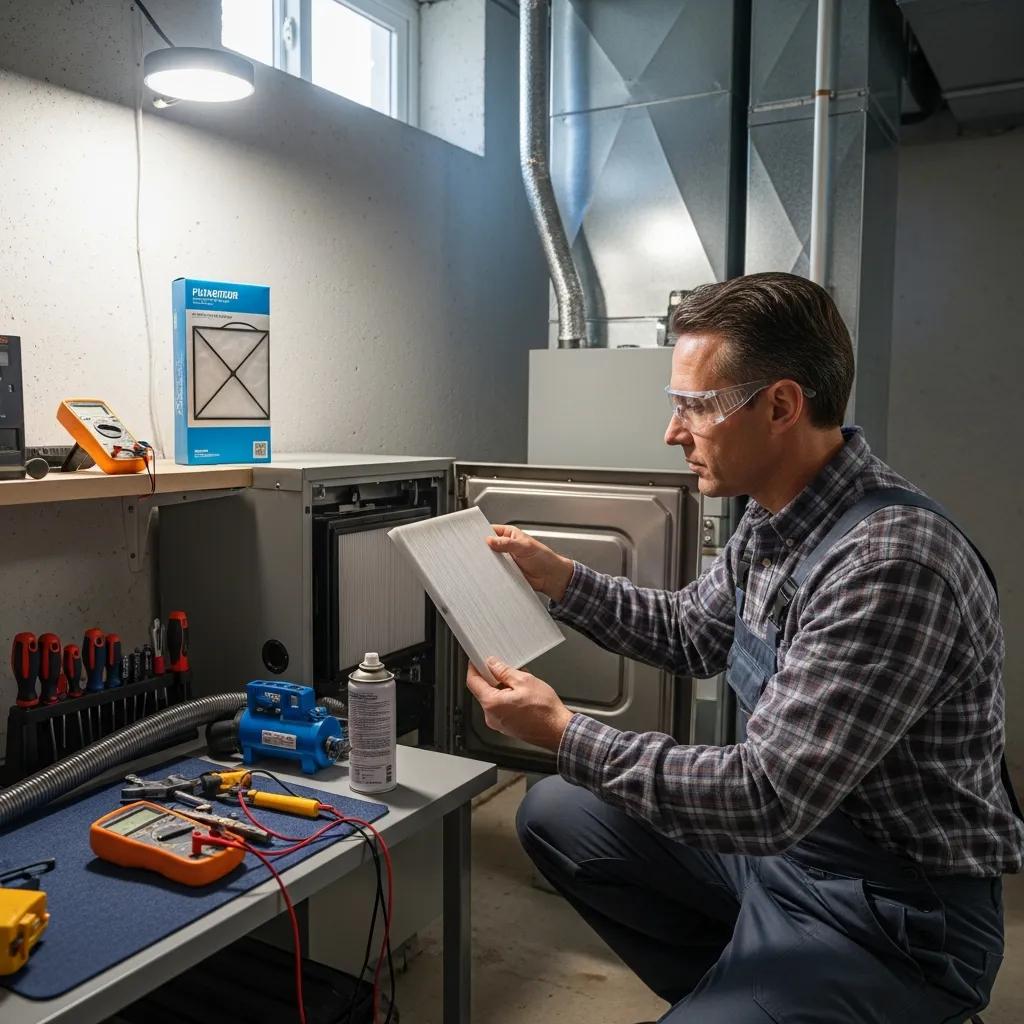
A winter furnace checklist covers the routine tasks that keep airflow steady, combustion safe, and thermostat control accurate so your furnace delivers reliable heat without wasting energy. Simple actions like changing filters, testing the thermostat, clearing vents and registers, and checking carbon monoxide detectors reduce strain on the heat exchanger and help the system run cleaner. Below is a short, homeowner-friendly checklist of safe, repeatable steps — and a reminder to call a licensed technician when work requires internal inspections or gas adjustments.
This furnace checklist highlights common, safe DIY tasks homeowners can manage:
- Replace or inspect the air filter each month during heavy use to keep airflow and efficiency up.
- Test your thermostat schedule and batteries, then confirm actual room temperatures match settings.
- Clear registers and vents of obstructions and vacuum around return grilles to improve circulation.
These actions reduce unnecessary cycling and make your system easier to service. If you still see weak airflow or smell unusual combustion odors after these checks, the section below explains filter handling and when a technician should step in.
The table below shows which furnace tasks are generally safe for homeowners and which are best left to professionals. Use it to prioritize work and avoid voiding warranties or creating safety hazards.
| Task | Action | DIY / Ease Level |
|---|---|---|
| Filter replacement | Remove, inspect, replace with correct size and MERV rating | DIY — Easy |
| Thermostat check | Verify schedule, calibrate if off by >2°F | DIY — Moderate |
| Vent and register cleaning | Clear obstructions, vacuum returns | DIY — Easy |
| Heat exchanger inspection | Visual and combustion analysis for cracks | Professional — Not DIY |
| Gas pressure/line checks | Measure and adjust combustion gas pressures | Professional — Not DIY |
Use this table to focus on safe tasks you can do yourself and to recognize when a licensed inspection is needed for safety and warranty protection.
How Do You Replace and Clean Furnace Air Filters for Winter?
Replacing and checking furnace filters is one of the highest-impact, lowest-risk tasks you can do. It improves airflow, indoor air quality, and reduces wear on the blower motor. Turn off furnace power, find the filter slot, remove the old filter, and look for dust, dark discoloration, or collapsed pleats. High-MERV pleated filters capture more particles but can restrict airflow if left in too long. Install the correct-size replacement with the airflow arrow pointing the right way, and write the date on the filter so you know when to check it again — monthly inspections are common in winter. Good filter care keeps dust away from the heat exchanger and helps your system run more efficiently.
If changing the filter doesn’t restore proper airflow or heat, plan a professional inspection to find deeper issues.
What Are the Signs Your Furnace Needs Repair This Winter?
Spotting warning signs early prevents cold-weather failures and protects household safety. Watch for strange smells (especially gas), frequent short-cycling, big temperature differences between rooms, loud banging or rattling, and a sudden rise in energy bills with no thermostat change. If a carbon monoxide alarm sounds or you smell gas, leave the home immediately and call emergency services — don’t try to fix gas problems yourself. For serious but nonemergency symptoms like repeated short-cycling, unstable flame, or hot spots in ducts or radiators, schedule a professional inspection to check heat-exchanger integrity, burner performance, and control systems.
Early recognition and prompt service reduce risk and make it less likely you’ll face emergency repairs during extreme cold.
Essential Winter HVAC Maintenance Tips for Central Iowa Homes
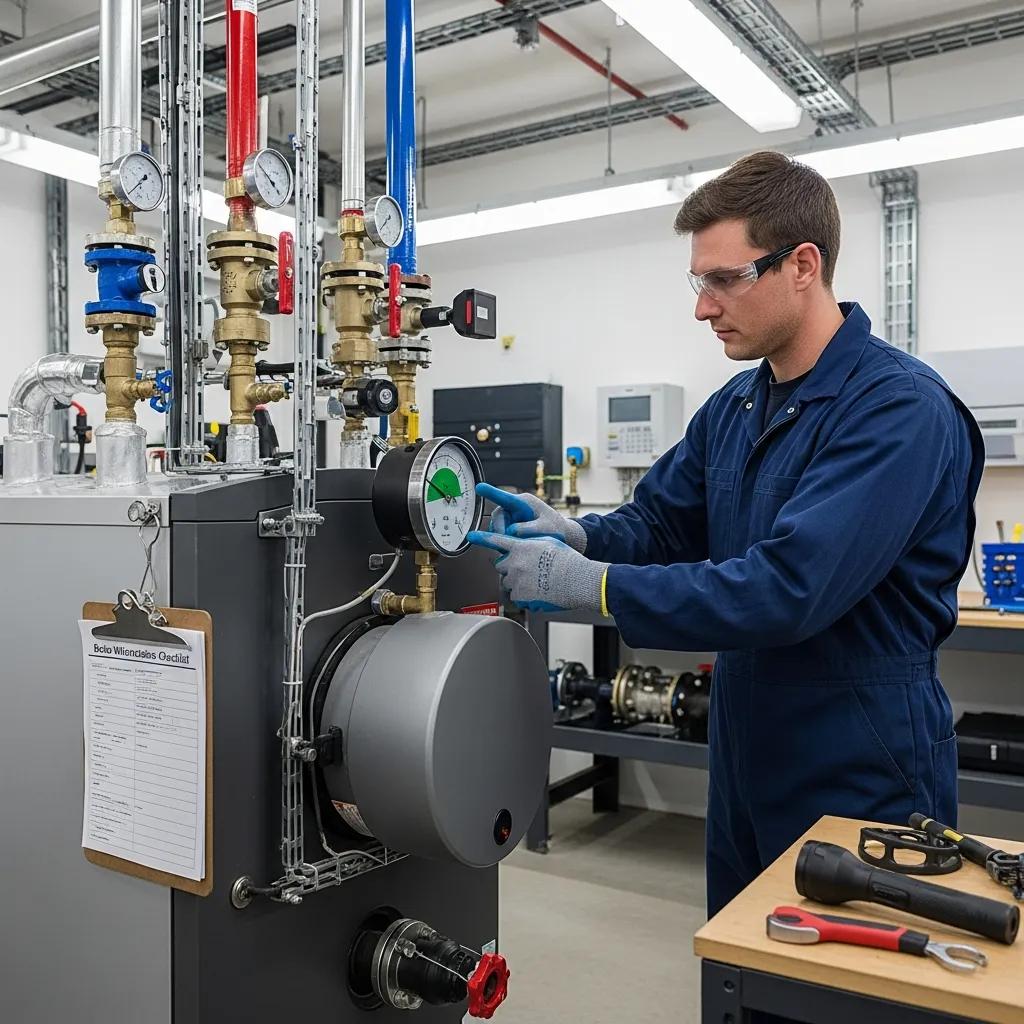
Boiler winterization focuses on pressure, circulation, and leak prevention so hydronic systems deliver steady heat and avoid freeze damage. A proper winter prep includes checking system pressure, bleeding radiators to remove trapped air, inspecting visible piping and valves for leaks or corrosion, and testing controls and relief valves. The steps below list homeowner checks and note when to hand the job to a trained technician for safety-sensitive work.
Here are a few essential boiler winter tasks homeowners should perform or confirm:
- Inspect visible piping, valve handles, and the expansion tank for obvious leaks or water stains.
- Set thermostat and boiler setpoints to match overnight lows and daily occupancy.
- Run the system briefly and verify radiators or baseboards heat evenly; mark cold zones for bleeding.
These checks steady circulation and surface issues early. The table that follows maps common boiler problems to quick checks and their preventive value, helping you decide when to troubleshoot and when to call a pro.
| Issue | Check / Step | Preventive Value |
|---|---|---|
| Pressure loss | Read the pressure gauge; note target operating range | Prevents circulation failure and cold radiators |
| Air in system | Bleed radiators or purge air from the zone | Restores heat distribution and reduces noise |
| Visible leaks | Inspect valves, joints, and pump housing | Prevents water damage and unwanted pressure drops |
| Relief valve condition | Test the valve for proper opening and sealing | Ensures safety during pressure spikes |
Use these checks to lower the chance of mid-winter outages. If pressure adjustments or repairs go beyond visual inspections, contact a professional for a safe fix.
What Are the Essential Boiler Maintenance Steps for Cold Weather?
Key boiler steps are confirming cold-start pressure, purging trapped air, and inspecting controls and safety devices so the system runs reliably under load. With the boiler cold, read the pressure gauge — many residential hydronic systems aim for about 12–15 psi — and only top up if you’re comfortable using the manufacturer’s fill procedure; otherwise, leave it to a technician. Bleeding radiators restores even heat and eliminates banging or cold spots, and checking visible piping and the circulating pump catches early wear. These steps reduce stress on the burner and pump, help efficiency, and lower freeze-related repair risk.
If pressure readings stay outside the normal range or leaks keep appearing, plan a professional inspection to check the expansion tank and for hidden leaks.
How Do You Check Boiler Pressure and Prevent Common Winter Issues?
Checking boiler pressure safely means reading the gauge and knowing the normal cold and hot pressure ranges for your system, then taking only homeowner-appropriate steps. With the system cold, note the pressure and compare it to the expected range; small top-ups through the fill loop can be done if the manufacturer’s instructions are clear, but overfilling stresses seals and relief valves. Watch pressure after a heating cycle — sudden spikes or steady drops point to leaks, a failing expansion tank, or internal corrosion. If pressure behavior looks abnormal or topping up is confusing, call a trained technician to avoid pressurization hazards and keep your system safe.
Regular checks and conservative adjustments preventcommon boiler failures and help ensure continuous heat delivery all winter.
What Are the Benefits of a Professional HVAC Winter Tune-Up?
A professional winter tune-up gives real gains in efficiency, safety, and reliability by combining inspection, cleaning, and control checks done by trained technicians. Typical tune-up tasks include heat-exchanger and combustion checks, burner and ignition cleaning, tightening electrical connections, testing safety controls, and confirming airflow. The short table below links common tune-up items to the homeowner benefits so you can see what a technician delivers and why a pre-season visit is a smart move.
| Tune-up Component | What Technician Does | Direct Benefit |
|---|---|---|
| Heat exchanger inspection | Look for cracks and corrosion | Reduces carbon monoxide risk |
| Burner cleaning and adjustment | Optimize flame and combustion | Improves fuel efficiency |
| Electrical and control check | Tighten connections, test safeties | Lowers breakdown risk |
| Airflow and filter inspection | Confirm blower and duct performance | Enhances comfort and lowers bills |
Together, these tune-up steps reduce emergency calls and lengthen equipment life — they’re the core of reliable seasonal maintenance.
In Central Iowa, local specialists know regional load patterns and common system types. Honest Heating and Cooling, Inc. offers winter maintenance services and a Smart Integrity Maintenance program that bundles inspection, cleaning, and priority scheduling; homeowners in Marshalltown, Iowa Falls, Newton, and nearby communities can request appointments or quotes through the company’s contact channels. Local expertise paired with homeowner checks helps keep systems resilient through long cold spells.
How Does a Professional Tune-Up Improve Energy Efficiency and Safety?
A professional tune-up improves efficiency and safety by correcting combustion issues, restoring proper airflow, and verifying safety controls — all of which cut fuel use and reduce carbon monoxide and electrical risks. Technicians remove combustion deposits, calibrate gas valves and controls, and tighten electrical connections so the system runs within manufacturer limits and at peak efficiency. The result is steadier temperatures, fewer short-cycling events, and a lower chance of emergency failures during severe cold. For homeowners, that usually means smaller energy bills and greater peace of mind.
Understanding what a tune-up does makes it clear why annual service is recommended and when to schedule a visit before heating season.
When Should You Schedule a Winter HVAC Maintenance Service?
Arrange annual HVAC maintenance in the fall before heavy heating demand starts so systems are clean, calibrated, and safe before sustained cold. Booking in September or October helps you avoid technician backlogs and reduces the chance of emergency calls during extreme weather. If you notice unexplained performance drops, odd odors, or a carbon monoxide alarm, treat those as urgent triggers for immediate professional assessment. Prioritizing preventive service keeps systems efficient and reliable through Central Iowa’s coldest months.
If routine checks uncover complex issues — suspected heat-exchanger damage, persistent pressure problems, or gas-line concerns — get professional help promptly rather than waiting for a breakdown.
How Do You Prepare Your Heat Pump and HVAC System for Winter?
Preparing a heat pump and related HVAC components for winter means checking defrost function, keeping the outdoor unit clear, setting smart thermostat strategies, and minding indoor air quality. Clear snow and debris from around the outdoor unit, confirm defrost cycles operate normally, and use reasonable thermostat setbacks so heat pumps run efficiently even in near-freezing conditions. The short list below gives practical actions and IAQ tips to help homeowners maintain performance and avoid preventable repairs as temperatures fall.
Heat pumps benefit from simple routine checks homeowners can perform:
- Keep at least two feet of clearance around the outdoor unit and remove accumulating snow and ice promptly.
- Watch defrost cycles — occasional frost that clears during a cycle is normal; persistent icing or failed defrost needs professional attention.
- Use smart thermostat schedules or modest setbacks to balance comfort and efficiency and consider adding slight humidification to reduce dry-air effects.
Clearing the area around the unit and monitoring defrost behavior supports steady performance. If the unit struggles to maintain heat or defrosts improperly, schedule professional winter service to check refrigerant, sensors, and controls.
What Are the Best Practices for Heat Pump Winter Care and Defrost Cycles?
Defrost cycles let a heat pump melt light frost on the outdoor coil without losing indoor heat. During a defrost cycle the system briefly reverses flow to warm the coil, then returns to heating mode. Occasional frost that clears within the cycle is normal, but long defrost cycles, persistent ice, or loud knocking are signs of trouble. Keep the area around the outdoor unit clear, remove heavy snow, and never use sharp tools on the coil. If defrost problems continue, schedule a technician to test sensors, reversing valves, and controls so your system stays reliable.
Knowing normal defrost behavior helps you avoid unnecessary service calls while ensuring timely professional help when core components fail.
How Can Thermostat Settings and Indoor Air Quality Be Optimized for Winter?
Optimizing thermostat settings and indoor air quality improves comfort and cuts energy use through targeted schedules, sensible filter upgrades, and humidity control. Use modest setbacks when the house is empty and change temperatures gradually to avoid system stress; smart thermostats automate setbacks and recovery for convenience and savings. If your system supports it, upgrade to higher-MERV pleated filters to lower indoor particulates, and maintain safe humidity with a humidifier or portable units to reduce dry-air irritation and static. Good IAQ plus smart thermostat management keeps occupants comfortable and systems running well through long winter use.
These thermostat and IAQ steps complement routine maintenance and reduce the chance of winter comfort problems that require professional follow-up.
Conclusion
Simple winter HVAC maintenance helps your heating systems stay safe, efficient, and reliable through Central Iowa’s coldest months. Follow the furnace, boiler, and heat pump checks in this guide to reduce breakdowns and improve indoor air quality. Don’t wait for the cold to arrive — schedule a professional winter tune-up to make sure your systems are ready. If you’d like local help, explore our service options to keep your home warm and safe this season.