

Boiler vs. Furnace — Which Heating System Fits Your Home?
Picking the right home heating system doesn’t need to be confusing. Boilers and furnaces both keep you warm, but they do it in different ways — and that affects comfort, running costs, and maintenance. This guide walks through the key differences, energy performance, and upkeep for each system so you can choose the option that suits your home and budget. We’ll cover efficiency, installation and maintenance needs, installation and maintenance requirements, plus how each system affects comfort and indoor air. By the end, you’ll have a clearer idea which system is the better fit.
What Are the Main Differences Between Boilers and Furnaces?
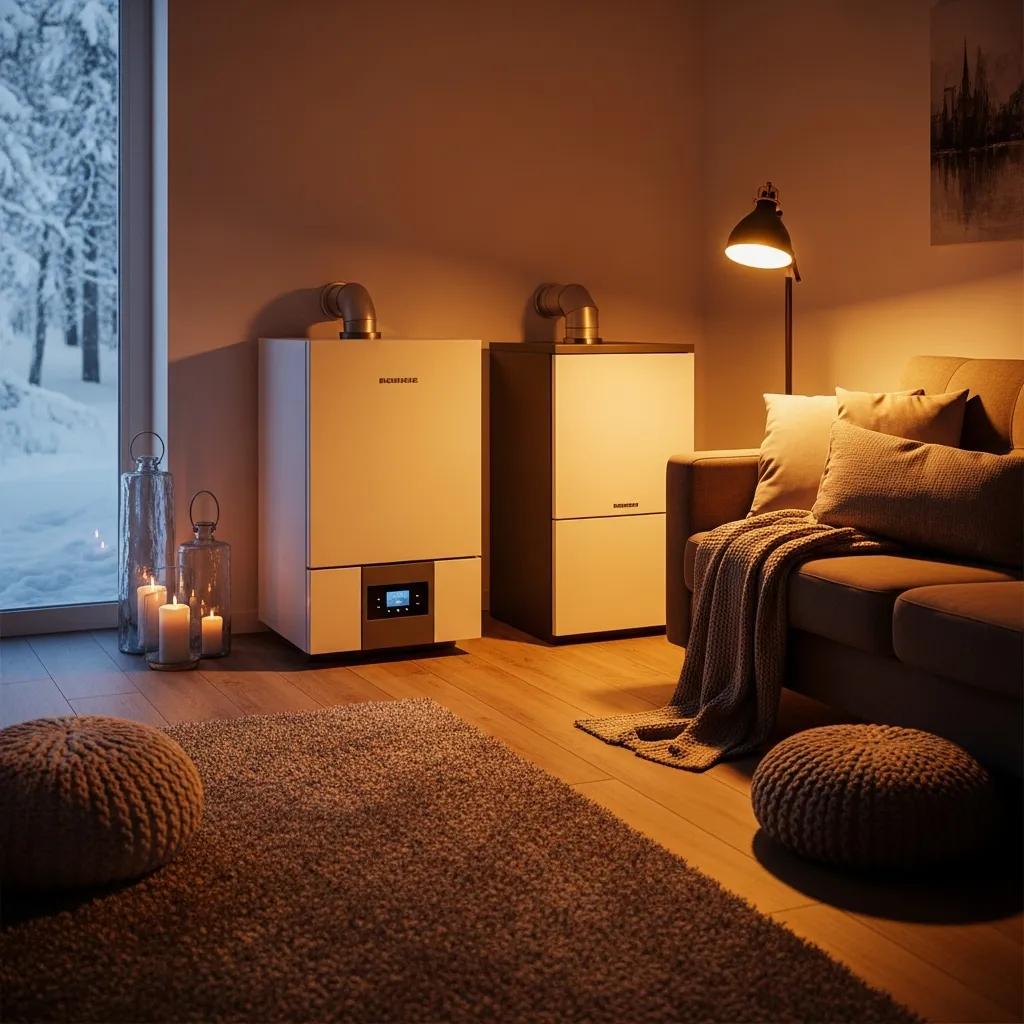
Both boilers and furnaces heat homes, but they work differently. A boiler heats water and sends steam or hot water through pipes to radiators or radiant floors. A furnace heats air and pushes that warmed air through ductwork. Knowing this basic difference helps you compare comfort, speed, and how each system fits into your house.
How Does a Boiler Work Compared to a Furnace?
Boilers heat water, then circulate it through pipes to deliver steady, even warmth from radiators or in-floor systems. Furnaces use a heat exchanger to warm air, then a blower sends that air through ducts and vents. That separation — water-based vs. forced air — drives differences in temperature consistency, noise, and how the systems impact indoor air.
Understanding how furnaces interact with ductwork and forced-air distribution helps explain temperature control and overall performance. This interaction is crucial for maintaining consistent temperatures throughout your home. Proper duct design and sealing are essential to maximize efficiency and comfort.
What Are the Key Features of Boilers and Furnaces?
Boilers and furnaces each offer benefits that match different priorities. Here are the standouts for boilers:
- Energy Efficiency: Modern boilers can reach high AFUE ratings — often above 90% — and condensing models may hit 95–98%, which can cut fuel costs over time. This high efficiency translates into significant savings on your utility bills, especially during colder months.
Research also explores ways to boost boiler efficiency and evaluate the cost-effectiveness of retrofits. These studies often consider factors like fuel type, system age, and potential energy savings. Understanding these aspects can help homeowners make informed decisions about upgrading their heating systems.
- Quiet Operation: Because boilers don’t rely on blowers to move air, they often run quieter than forced-air furnaces — a plus for noise-sensitive homes. This makes them an excellent choice for living spaces where minimal operational sound is desired.
- Humidity Control: Boiler systems don’t dry the air as much as forced-air systems, so they can help preserve indoor humidity and a comfortable feel during winter. This can lead to a more pleasant indoor environment, reducing issues like dry skin and static electricity.
Furnaces bring a different set of advantages:
- Faster Heating: Furnaces warm rooms quickly by blowing hot air directly into living spaces — useful in very cold weather when you want heat fast. Their rapid response time ensures your home reaches desired temperatures efficiently.
- Lower Initial Costs: Furnaces typically cost less to install up front since they don’t require pipe runs or the same plumbing components as boilers. This can make them a more budget-friendly option for homeowners looking to minimize initial investment.
- Variety of Fuel Options: Furnaces can run on natural gas, oil, propane, or electricity, letting you choose by availability and fuel price. This flexibility allows homeowners to select the most cost-effective and accessible fuel source for their region.
Fuel quality — especially for oil systems — directly affects how reliably and efficiently a heating system will run. Impurities or improper storage can lead to burner issues and reduced performance. Regular checks and proper fuel management are crucial for optimal operation and longevity.
Which Heating System Is Best for Your Home in Central Iowa?
Choosing the right system for Central Iowa means weighing climate, efficiency, installation, and personal comfort. There’s no one-size-fits-all answer — the best option depends on your home, budget, and heating priorities. Considering these factors carefully will ensure you select a heating solution that truly meets your household’s unique needs.
How Does Climate Influence the Choice Between Boiler and Furnace?
Central Iowa winters are cold, so dependable heat matters. Furnaces provide quicker, forced-air warmth during sudden cold snaps. Boilers, however, deliver steady, even heat and tend to keep rooms feeling more humid and comfortable during long cold stretches. Think about how you use your home and what kind of warmth you prefer.
What Are the Energy Efficiency Differences for Boilers and Furnaces?
Efficiency matters for long-term costs. Many boilers exceed 90% AFUE, especially condensing models. Furnaces range widely — from about 80% up to 98.5% AFUE for top-tier units. High-efficiency furnaces can rival modern boilers, so consider both sticker price and fuel consumption over time.
| Heating System | Efficiency Rating | Average Annual Cost* |
|---|---|---|
| Boiler | 90%+ | Potentially lower |
| Furnace | 80%-98.5% | Potentially higher |
*Average annual cost estimates vary based on fuel prices, home size, insulation, and how the system is used. These figures are general guidelines and actual expenses can differ significantly. It’s always recommended to get a personalized estimate for your specific situation.
This comparison highlights typical efficiency ranges and sample annual costs so you can weigh potential savings when choosing a boiler or a high-efficiency furnace. Understanding these differences is key to making an informed decision for your home. Ultimately, the best choice balances initial investment with long-term operational expenses.
What Are the Installation and Maintenance Requirements for Boilers vs. Furnaces?
Installation and ongoing care affect total cost and reliability. Both systems need proper sizing and regular service to run efficiently and safely. Neglecting these aspects can lead to higher energy bills, frequent breakdowns, and a shorter lifespan for your heating unit.
How Do Installation Costs Compare Between Boilers and Furnaces?
Boilers usually cost more to install because they require plumbing, piping, and sometimes extra parts like expansion tanks. Furnaces are often simpler and less expensive to set up. To get the right fit and price, request multiple quotes and confirm contractors size and install equipment correctly.
What Maintenance Does Each Heating System Require?
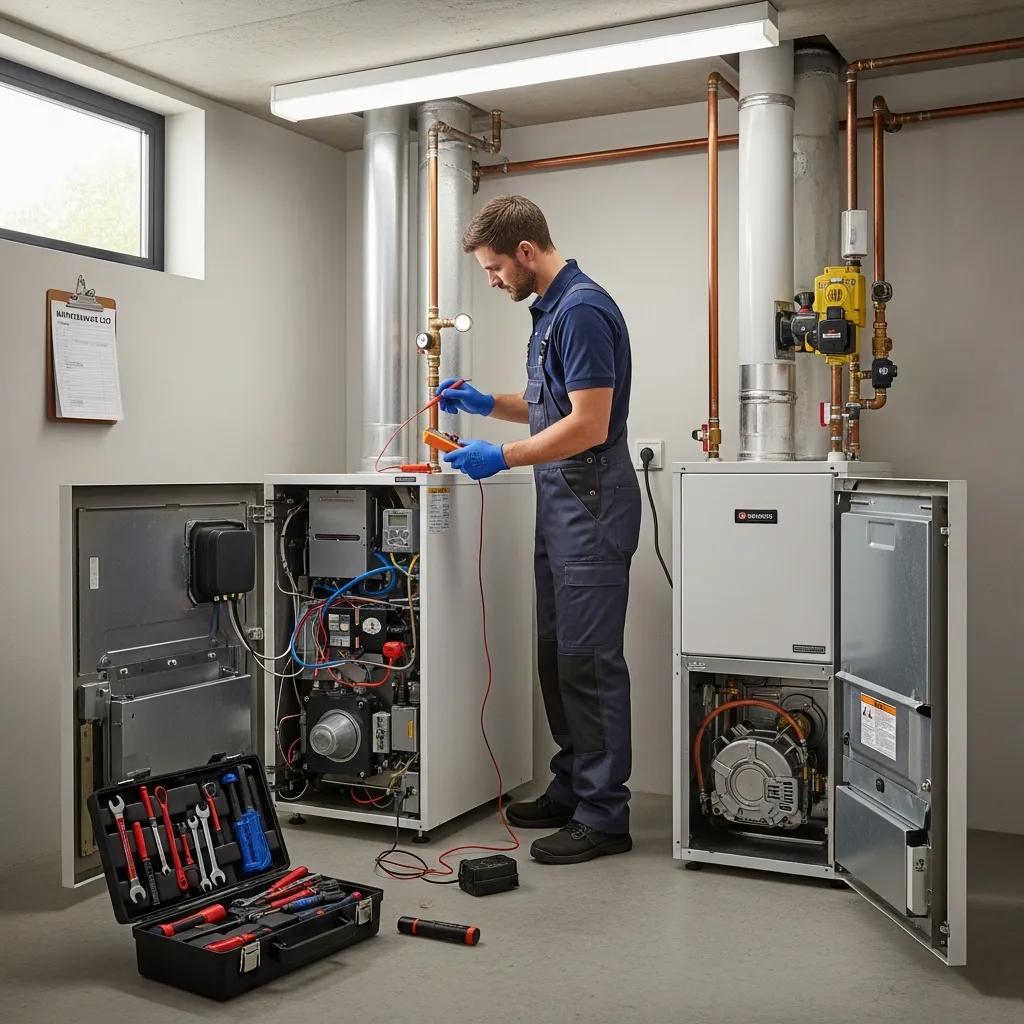
Routine maintenance keeps both boilers and furnaces running well. Boilers need occasional flushing to remove sediment, pressure-relief valve checks, and annual servicing to maintain safety and efficiency. Furnaces require regular filter changes, burner and blower cleaning, and yearly inspections to preserve performance and indoor air quality. Following a maintenance schedule can prevent costly repairs and extend system life.
How Do Boilers and Furnaces Affect Home Comfort and Air Quality?
The heating method you choose changes how your home feels and the quality of your indoor air. Both systems can be comfortable when installed and maintained correctly, but they affect the home differently. Understanding these nuances is crucial for selecting a system that aligns with your comfort preferences and health considerations.
Which System Provides More Consistent Heat Distribution?
Boilers often deliver more even temperatures because heat radiates from pipes, radiators, or floors. Forced-air furnaces can create quicker warm-ups but sometimes cause hot and cold spots depending on duct layout. Consider your floor plan and how important steady, even heat is to you.
Do Boilers or Furnaces Impact Indoor Air Quality Differently?
Furnaces circulate air through ducts, which can spread dust and allergens if filters or ducts aren’t kept clean. Boilers don’t rely on circulating air, so they typically have less impact on airborne dust — a benefit for allergy sufferers. Regardless of system, regular maintenance and proper filtration are key to healthy indoor air.
What Are the Environmental Impacts of Choosing a Boiler or Furnace?
Environmental impact is a growing concern for many homeowners. Both system type and efficiency affect energy use and emissions. Making an environmentally conscious choice can contribute to a healthier planet and potentially reduce your long-term operating costs.
How Do Boilers and Furnaces Differ in Energy Consumption?
Condensing boilers and modern high-efficiency furnaces both deliver strong performance and lower energy use compared with older equipment. A high-efficiency system and good maintenance reduce fuel use and carbon emissions — so if sustainability matters, focus on AFUE ratings and upkeep.
Are There Eco-Friendly Options Within Boiler and Furnace Systems?
Yes. Condensing boilers and furnaces with AFUE above 90% lower energy use and emissions. You can also pair boilers with solar thermal systems or choose electric heat pumps instead of traditional furnaces for greener heating. Explore these options if cutting your environmental footprint is a priority.
Ready to Choose the Right Heating System for Your Home?
The right heating system depends on your comfort needs, budget, and home layout. Whether you prefer steady warmth and humidity control from a boiler or the quick heat and lower upfront cost of a furnace, we can help you decide. Contact us today to schedule a consultation and we’ll review options and installation plans that fit your home in Central Iowa. We’ll help you stay warm all winter with a dependable, efficient solution.