Master Your Thermostat for Comfort: A Practical Guide to Smart, Energy‑Efficient Temperature Control
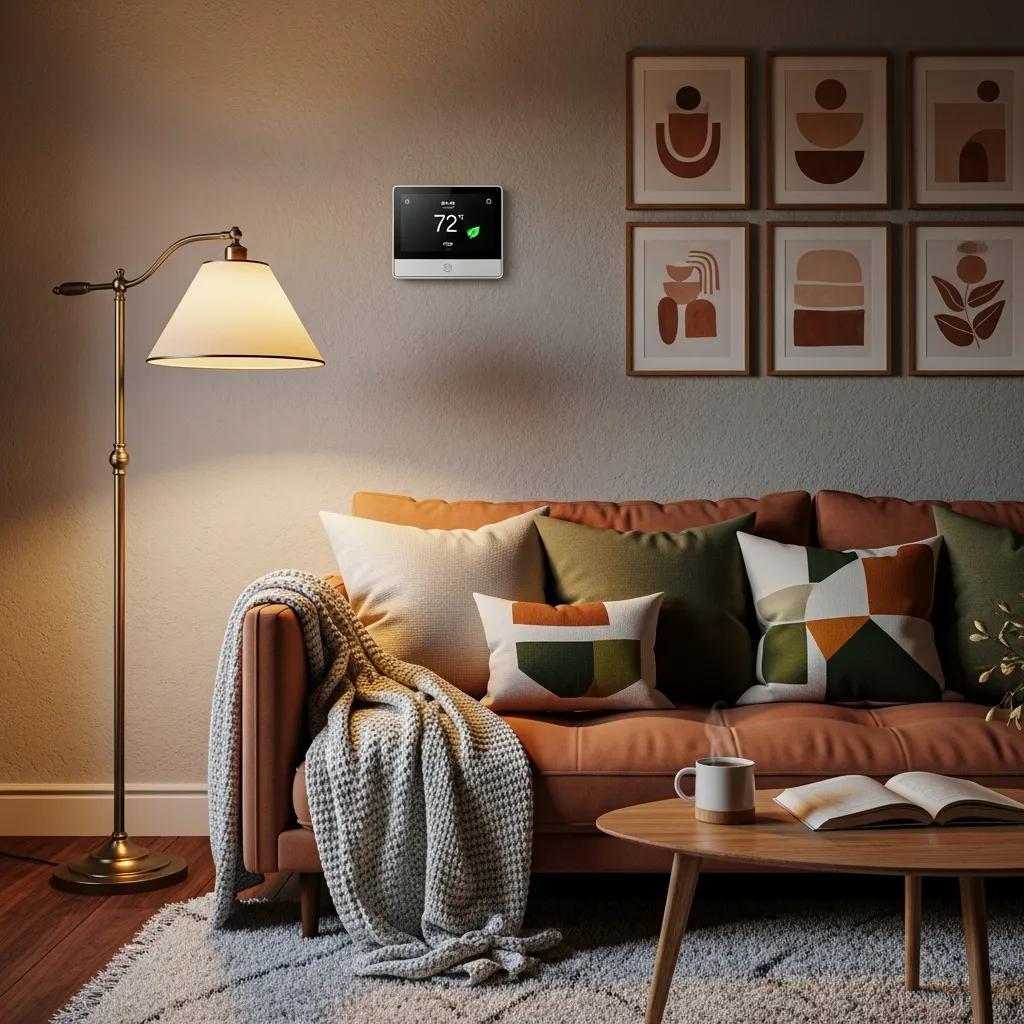
Getting your thermostat dialed in is one of the simplest ways to make your home more comfortable and lower energy costs. A thermostat controls your indoor temperature so you stay comfortable no matter the weather. Learning how to use it—whether it’s programming schedules, troubleshooting issues, or choosing the right model—can save energy and improve indoor air quality. This guide walks through thermostat types, programming tips, common problems, and the advantages of proper settings. We’ll also explain how Honest Heating & Air Conditioning’s local HVAC maintenance plans in Central Iowa, IA can help keep everything running smoothly.
Beyond day-to-day comfort, a correctly configured thermostat reduces unnecessary wear on HVAC components and helps you spot system problems sooner. Many homeowners find that a small setpoint adjustment or a simple schedule change makes the largest practical difference to monthly bills and comfort. This guide assumes general residential systems; if your home uses zoned HVAC or specialized heating like radiant floor systems, consult your installer for system-specific settings.
What Are the Different Types of Thermostats and Their Features?
Thermostats come in a few common varieties to suit different homes and lifestyles: mechanical, programmable, and smart. Mechanical models use simple, mechanical controls. Programmable thermostats let you set schedules for heating and cooling. Smart thermostats add connectivity and automation—learning your patterns and adjusting settings to balance comfort and efficiency.
Mechanical thermostats remain reliable for basic control and are typically simple to operate. Programmable thermostats are a low-cost way to automate temperature setbacks and wake-up periods. Smart thermostats require either a constant power connection (often called a C-wire) or a compatible power adapter; they provide remote access via mobile apps and more granular control. When choosing a thermostat, confirm compatibility with your furnace, heat pump, or boiler system and the wiring available at the thermostat location.
How Do Programmable and Smart Thermostats Enhance Comfort and Efficiency?
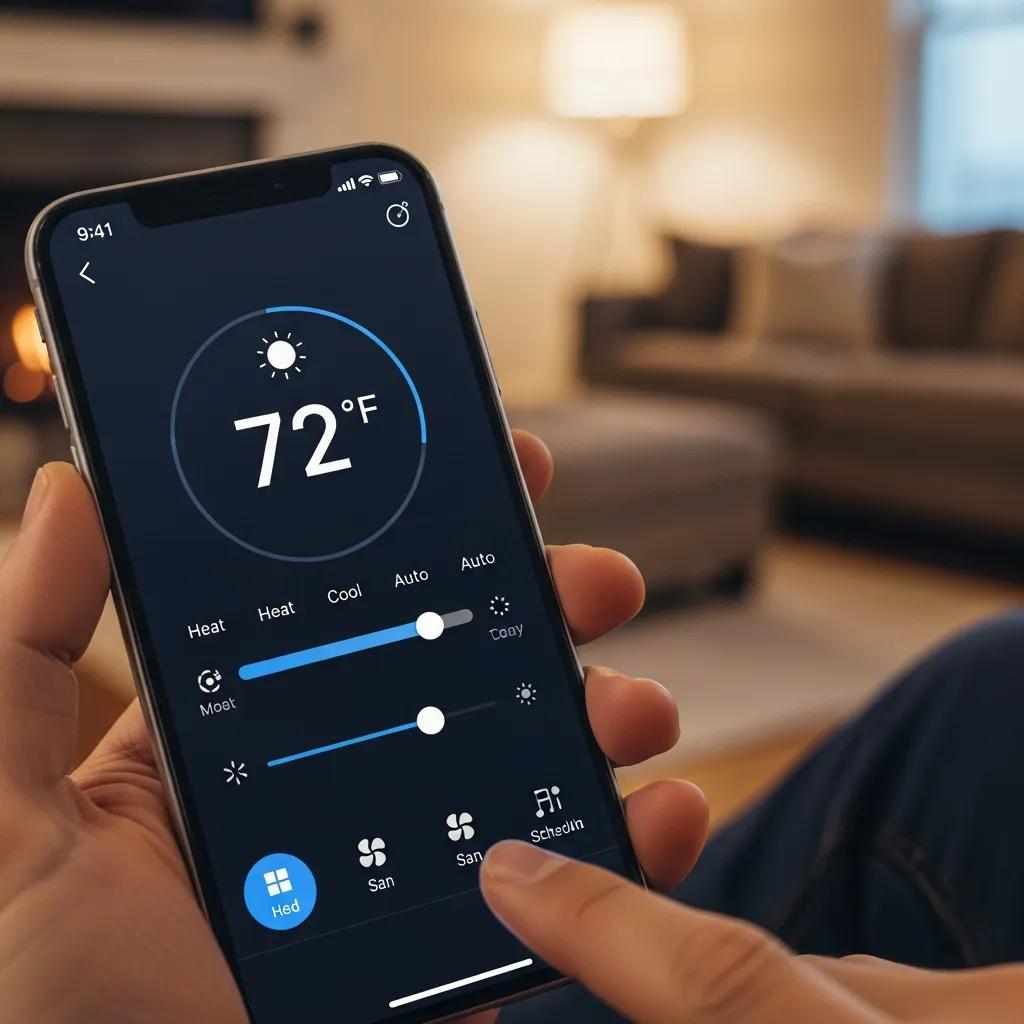
Programmable and smart thermostats make it easy to match your home’s temperature to your daily routine. Set a schedule to lower the heat at night and raise it before you wake up, and you’ll enjoy comfort without wasting energy. Smart models go further by learning your habits, making automatic adjustments, and letting you change settings from your phone—handy if plans change or you’re away from home.
Smart thermostats can also provide usage reports, send maintenance reminders, and alert you to unusual runtime that could indicate a problem. Remote sensors or multi-room setups help address uneven temperatures in larger homes by averaging readings or prioritizing occupied rooms. When using smart features, check privacy and connectivity settings so alerts and remote access work the way you expect.
Which Thermostat Features Should You Consider for Your HVAC System?
When shopping for a thermostat, focus on accuracy, ease of programming, and energy-saving features. Accuracy means the thermostat reads temperature reliably. Programmability (or learning features on smart models) lets you create schedules that fit your life. Look for energy-saving functions like adaptive recovery or geofencing, and choose a model that’s easy to use and compatible with your existing HVAC equipment.
Other useful features include humidity sensing, compatibility with multiple stages of heating or cooling, support for heat pumps, and integration with voice assistants or home automation platforms. If you have allergies or indoor air quality concerns, consider thermostats that integrate with ventilation or whole-home air cleaners to coordinate runtime and filtration. Always verify manufacturer compatibility lists and installer guidance for multi-stage systems or specialized controls.
How Can You Schedule and Program Your Thermostat for Optimal Comfort?
Setting a thoughtful schedule is one of the fastest ways to cut energy use while keeping your home comfortable. A good schedule reduces run time when no one’s home and brings the temperature back to comfortable levels before you return.
Think about your household’s routine and create distinct periods such as wake, away, return, and sleep. Use shorter setback periods if you have pets or plants that need stable conditions. Many systems also allow a temporary hold or vacation mode so you don’t need to delete your regular schedule when plans change.
What Are Step-by-Step Instructions for Thermostat Programming?
To program your thermostat, follow these steps:
- Access the Programming Menu: Open the programming or schedule menu on your thermostat’s display.
- Set Your Desired Temperatures: Enter the temperatures you want for different periods—morning, away, evening, and sleep.
- Choose Your Schedule: Apply the schedule to the days you want (weekday/weekend or daily customization).
- Save Your Settings: Confirm and save your changes so the thermostat follows the schedule.
Check your settings periodically to make sure the schedule still fits your routine and that the thermostat is responding as expected.
Practical tips: use the mobile app (if available) to fine-tune schedule transitions, allow a recovery period so the system brings the house to target temperature at the scheduled time rather than overshooting, and use vacation or hold modes when you’ll be away for multiple days. If your thermostat has a learning mode, allow it at least a week of typical usage so it can adapt to household patterns.
How Does Proper Scheduling Reduce Energy Consumption?
Proper scheduling cuts energy use by running your heating and cooling only when needed. Lowering the temperature at night or while the house is empty reduces runtime and wear on the system. Over time, this lowers utility bills and can extend the life of your HVAC equipment.
Rather than extreme swings, aim for modest setbacks that maintain comfort while saving energy. For example, a smaller setback can be easier for the system to recover from and may feel better in tightly sealed or well-insulated homes. Frequent small changes are generally better managed by modern systems than dramatic, sudden setpoint changes.
What Are Common Thermostat Problems and How Can You Troubleshoot Them?
Thermostats can show a few recurring issues that affect comfort: inaccurate readings, controls that don’t respond, or systems that cycle on and off too often. Spotting and fixing these early helps avoid bigger problems.
Start with simple checks before assuming expensive repairs. Verifying power, mode settings, and basic cleanliness often resolves the most common issues. When in doubt, document what you observe (temperatures, error codes, times of day) so a technician can diagnose faster.
Which Troubleshooting Tips Help Resolve Temperature Control Issues?
Try these basic troubleshooting steps:
- Check the Settings: Make sure the thermostat is set to the correct mode (heat or cool) and that the fan setting is correct.
- Inspect the Batteries: For battery-powered units, replace weak batteries to restore reliable operation.
- Clean the Thermostat: Gently remove dust from the thermostat’s sensor and vents—dirt can interfere with readings.
If those steps don’t fix the problem, it’s a good idea to bring in a technician for a closer look.
Additional checks: confirm circuit breakers or switches for the HVAC system are on, ensure the thermostat’s display brightness and sleep settings aren’t hiding information, and check for recent firmware or app notifications from smart thermostats. If you plan to open the thermostat for inspection, switch power off at the breaker to reduce risk and only proceed if you are comfortable with basic wiring tasks.
When Should You Contact a Professional for Thermostat Repair?
Call a professional if the thermostat stays unresponsive, the display is blank, or your system cycles on and off frequently. Those symptoms can point to electrical issues, wiring problems, or failing components that need expert attention.
Other reasons to contact a pro include inconsistent temperatures across rooms that adjustments won’t fix, persistent short-cycling that causes frequent compressor starts, or thermostat wiring that doesn’t match standard labels. A technician can test voltages, check system compatibility, and recommend either repair or replacement based on long-term reliability and cost.
What Are the Energy Efficiency Benefits of Proper Thermostat Settings?
Right-sized thermostat settings reduce the load on your HVAC system, cutting energy bills and shrinking your home’s carbon footprint. Small adjustments—like modest setbacks when you’re away—add up to meaningful savings.
The efficiency benefit comes from reducing runtime during low-priority periods and avoiding unnecessary conditioning when rooms are unoccupied. Balanced control also reduces the frequency of full-capacity starts, which is more efficient for many systems. For homes with programmable or smart thermostats, seasonal schedule adjustments can reflect changes in occupancy or daylight hours.
How Do Programmable Thermostats Reduce Energy Bills?
Programmable thermostats save energy by matching temperature to when people are actually home. Lowering the setpoint while the house is empty or at night reduces heating and cooling demand. Proper use of programmable settings can typically save households a noticeable percentage on heating and cooling costs.
To get the most from programmable controls, review schedules after major lifestyle changes—such as working from home or a change in household size—and use features like temporary holds for one-off events. Where available, enable recovery or adaptive functions so the thermostat times equipment operation to reach setpoints efficiently.
To ensure reliable HVAC temperature control, follow installation best practices—and if you need help, you can schedule HVAC service with local experts.
What Recent Trends in Smart Thermostat Technology Improve Savings?
Smart thermostats now include learning algorithms, remote control, and integration with home automation. They use real-time data—like occupancy and weather—to make smarter decisions. Many models can detect when you’re away and adjust automatically, squeezing extra savings without extra effort.
Other developments include enhanced diagnostic alerts, energy reports that clarify usage patterns, and integration with home sensors that detect humidity or open doors. These features help homeowners fine-tune settings and spot potential issues earlier, which supports both comfort and operating efficiency.
When Is It Time to Upgrade or Repair Your Thermostat?
Knowing when to repair or replace a thermostat keeps your system efficient and your home comfortable. If the unit misbehaves regularly, it may be more cost-effective to replace it.
Consider replacement when the unit is more than a few years old and shows recurring issues, when it lacks features you need (like remote access or multi-stage support), or when spare parts and service become hard to find. Modern units often have improved user interfaces and better energy reporting, which can make them worthwhile even if repair is possible.
What Signs Indicate Your Thermostat Needs Replacement?
Watch for these warning signs:
- Unresponsive Controls: If the thermostat ignores changes or won’t accept settings, it may be failing.
- Incorrect Temperature Readings: If readings don’t match room temperature, the sensor or unit could be faulty.
- Frequent Cycling: Short cycling—when the system turns on and off quickly—can signal thermostat or system problems.
Also note when the device firmware is no longer supported, or replacement sensors are unavailable; these can limit long-term reliability. If the thermostat lacks a C-wire and a modern smart model is desired, discuss power options with an installer to avoid intermittent operation or reliance on battery-only solutions.
How Do Upgrades Improve HVAC System Performance and Comfort?
Upgrading to a modern thermostat improves control, often increases accuracy, and offers energy-saving features. New units can be easier to use, integrate with smart home systems, and help optimize indoor air quality—making them a smart investment for comfort and efficiency.
Upgrades can also make seasonal transitions simpler and give you remote troubleshooting tools. When paired with periodic HVAC maintenance from Honest Heating & Air Conditioning, a new thermostat helps ensure the system runs as intended and that small issues are caught before they become costly repairs.
How Do Local HVAC Maintenance Plans Support Thermostat Mastery in Central Iowa, IA?
Honest Heating & Air Conditioning’s local maintenance plans give you scheduled care so your thermostat and HVAC system stay reliable. Regular tune-ups catch small issues before they become major repairs and keep settings accurate season to season.
Maintenance plans typically include seasonal inspections timed to your heating and cooling needs, priority scheduling for service calls, and often discounted repair labor. These plans help homeowners budget for routine care and reduce the likelihood of emergency breakdowns during extreme weather.
What Services Are Included in HVAC Maintenance Plans for Thermostat Care?
Typical maintenance plan services include:
- Regular Inspections: A technician inspects the thermostat and HVAC system for signs of wear or trouble.
- Calibration Services: Technicians verify and adjust thermostat calibration so temperature readings are accurate.
- Cleaning and Maintenance: Routine cleaning prevents dust buildup and helps components run efficiently.
Additional plan features may include filter change reminders, system performance reports, and seasonal tune-ups that test safety controls and airflow. Ask Honest Heating & Air Conditioning what their checks include and whether any follow-up documentation or recommendations are provided after each visit.
How Can You Schedule Thermostat Service with Trusted Local Experts?

To schedule service, look for local HVAC companies with solid reviews and clear service options. Contact Honest Heating & Air Conditioning to discuss your needs and book an inspection or maintenance visit.
When calling, be ready to describe your system type, the thermostat model, and any symptoms or error codes. Ask about technician credentials, typical turnaround time, and whether the company provides written estimates and maintenance checklists. For repeat service, confirm whether they offer a recurring-plan discount or priority service commitments.
Which Smart Thermostat Installation Practices Ensure Reliable HVAC Temperature Control?
Correct installation matters. Follow best practices to make sure your thermostat gives accurate readings and communicates properly with your HVAC system.
Installation quality affects long-term performance as much as the unit choice. Proper wiring, stable power, and a secure wall mount reduce glitches and ensure consistent readings. If the job involves additional wiring or adapters, ask the installer to label wires and document the configuration for future reference.
What Are Best Practices for Installing Energy-Efficient Thermostats?
Best installation practices include:
- Professional Installation: A qualified technician ensures wiring, configuration, and calibration are done right.
- Correct Placement: Mount the thermostat where it measures a representative room temperature—not in direct sun, near vents, or by exterior doors.
- Regular Maintenance: Keep the thermostat and HVAC system on a maintenance schedule for reliable performance.
Proper placement often means a central interior wall at about eye level and away from heat sources and drafts. If your home has hot or cold spots, discuss remote sensor placement that averages temperatures or prioritizes frequently used rooms. During installation, confirm that the thermostat’s software is updated and that any required accounts or app connections are set up correctly.
For persistent issues or a blank display, it’s best to reach out to Honest Heating & Air Conditioning’s team for thermostat repair.
How Does Professional Installation Enhance Thermostat Performance?
Having a pro install your thermostat reduces setup errors, ensures proper calibration, and confirms compatibility with your HVAC system. Technicians can also recommend settings and features that fit your home and routine.
A professional can test the system with the thermostat in place, verify that each stage of heating and cooling operates correctly, and check for wiring issues or weak control signals. This hands-on verification reduces the chance of nuisance trips, incorrect operation, or the need for follow-up service shortly after installation.
How Can You Maximize Comfort Using HVAC Temperature Control and Thermostat Calibration?
Maximizing comfort means combining accurate thermostat control with balanced airflow and routine maintenance. Calibration and small system adjustments make the whole system perform better.
Consider the whole-home picture: insulation, window performance, and airflow contribute to how readily spaces hold temperature. Thermostat control is important, but it performs best when combined with basic envelope and airflow improvements.
What Are Effective Calibration Techniques for Accurate Temperature Management?
Try these calibration and maintenance steps:
- Regular Checks: Periodically compare the thermostat reading to a reliable room thermometer and adjust if needed.
- Balancing the Heating System: Adjust vents and registers so all rooms get proper airflow and temperature.
- Replacing Air Filters: Change filters on schedule to keep airflow steady and system efficiency high.
Allow a few days after changes for the system to reach a new steady state before judging effectiveness. If calibration adjustments are needed frequently, it may be a sign of placement issues or failing sensors that a technician should evaluate.
How Does Thermostat Control Integrate with Overall HVAC System Optimization?
Thermostat control is a key part of HVAC optimization. Accurate readings and smart scheduling keep temperatures consistent and reduce unnecessary runtime. When combined with smart home systems and regular maintenance, thermostat control helps you get the most comfort for the least energy.
Integration options such as zoning, variable-speed equipment, and smart ventilation can further enhance comfort and efficiency. Talk with a trusted technician about how thermostat features can coordinate with ductwork, zoning dampers, and outdoor sensors to match control strategy to your home’s design and occupancy patterns.
To ensure your thermostat and HVAC system operate efficiently, consider exploring Honest Heating & Air Conditioning’s HVAC maintenance plans.
Take Control of Your Home Comfort Today
Ready to optimize your thermostat and HVAC system for maximum comfort and efficiency? Contact Honest Heating & Air Conditioning in Central Iowa, IA to schedule a consultation, maintenance plan, or professional installation. Our experts are here to help you save energy and enjoy a perfectly controlled home environment.