


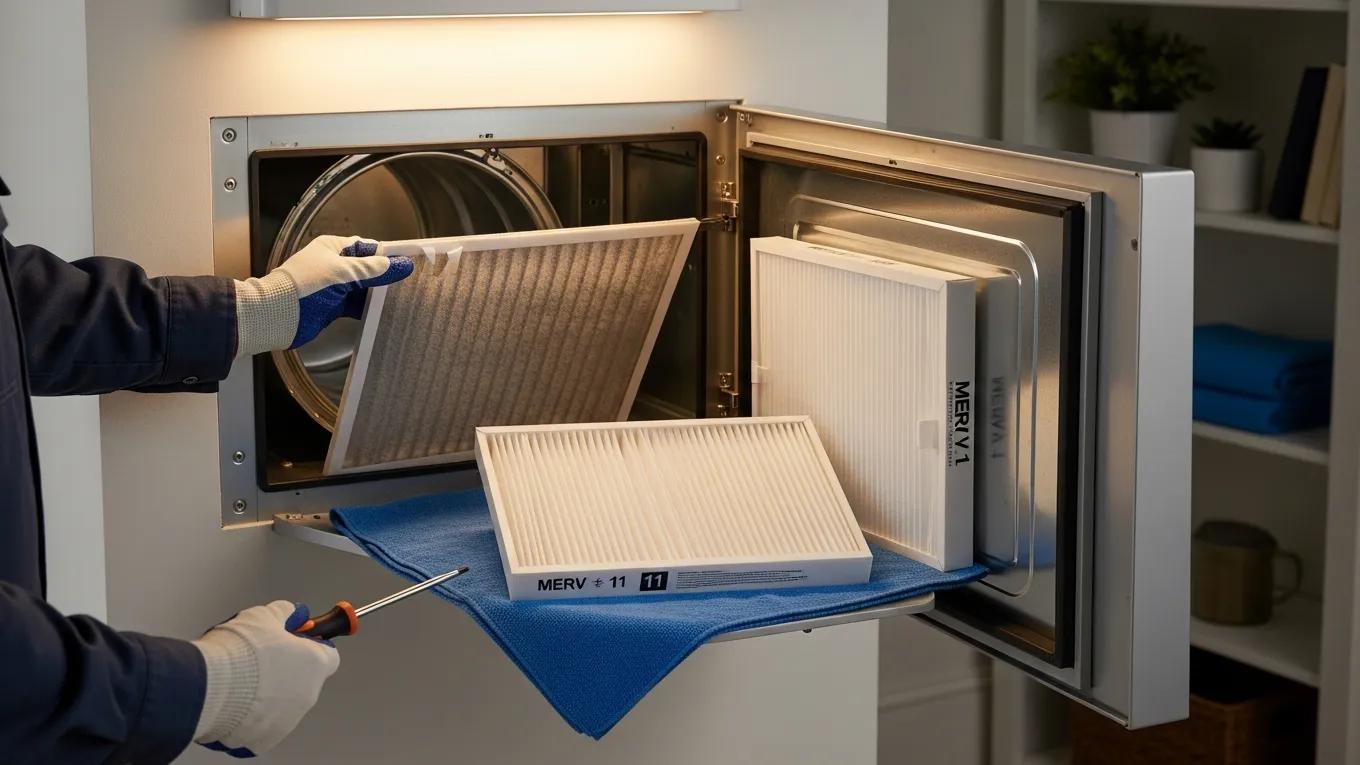
Guide to HVAC Air Filter Replacement: When and How to Change Your Air Filter for Optimal Performance
At Honest Heating and Cooling Inc., we understand that proper HVAC maintenance is key to preserving system performance and indoor air quality. One of the simplest yet most effective tasks you can perform is regular air filter replacement. This guide shares when to change your filter, how to replace it safely and correctly, and the benefits of timely replacement. We also provide practical tips for ongoing care and recordkeeping to help you avoid costly repairs, reduce energy consumption, and keep your heating and cooling systems running reliably.
Comprehensive Guide on HVAC Air Filter Replacement
Air filters play a crucial role in protecting your HVAC system and maintaining indoor air quality by trapping dust, allergens, and other particles. Regular replacement preserves air quality, reduces strain on components like the blower motor and heat exchanger, and sustains proper airflow. Clean filters support steady airflow, which can lower energy use and extend equipment life by preventing longer system cycles. Neglecting filter changes can lead to reduced efficiency, higher energy costs, increased risk of part failures, and poorer indoor air quality that may worsen allergy or asthma symptoms over time.
When to Change Your Air Filter:
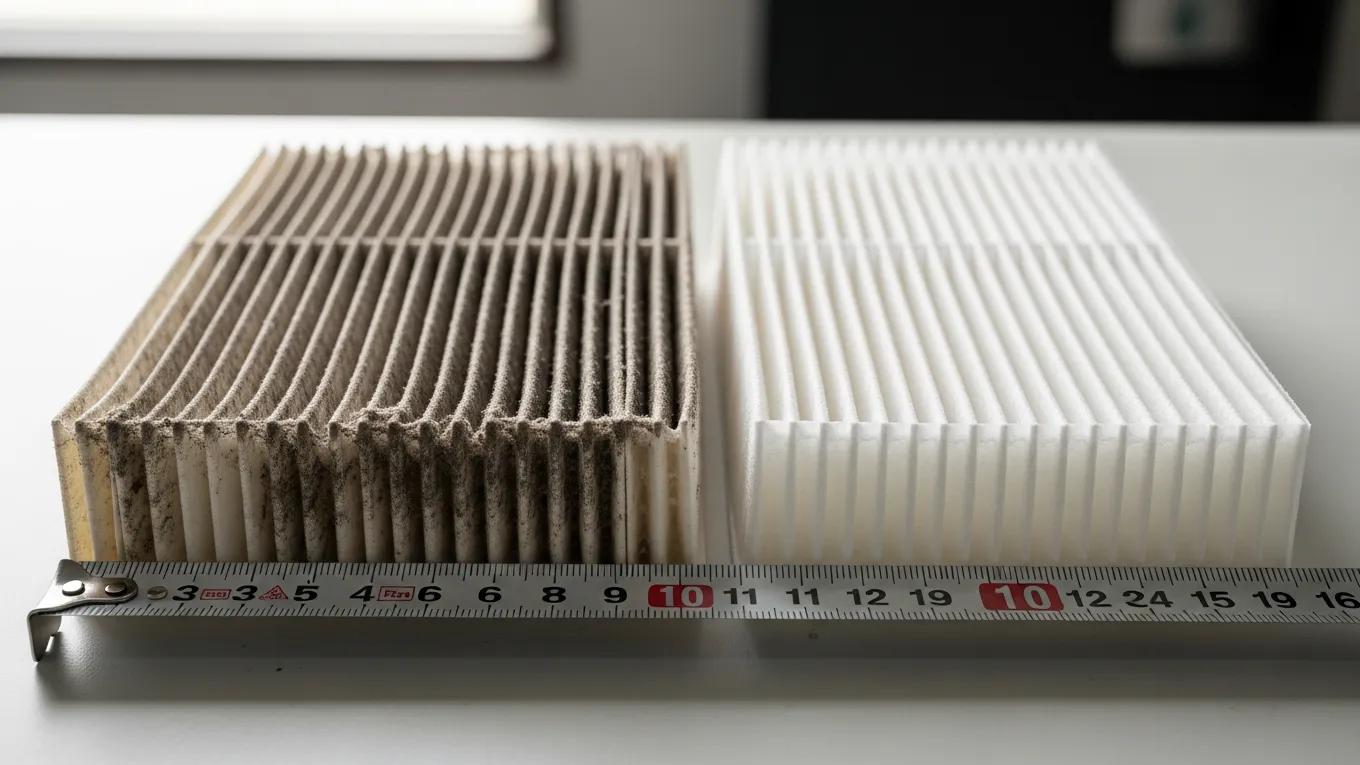
Most HVAC filters require replacement every 1 to 3 months, depending on system use and environment. This timeframe is a starting point; adjust frequency based on household activity, pets, local air quality, and seasonal factors. Common signs that indicate a filter change is needed include visible dust or discoloration on the filter, a sudden rise in energy bills, diminished airflow from registers, or uneven heating and cooling across rooms. Use these signs along with a calendar or checklist to keep replacements timely and predictable.
- Visible Dirt and Dust: If you notice dirt and dust accumulation on the filter surface or pleats appear filled, it’s time to replace the filter. Using a flashlight can help you assess the filter condition in dim compartments without repeatedly removing it.
- Higher Energy Bills: An increase in energy use without changes in thermostat settings often signals restricted airflow due to a clogged filter. Tracking your energy consumption alongside filter maintenance helps you act before costs escalate.
- Uneven Heating or Cooling: If some areas of your home feel consistently colder or warmer, a dirty filter might be limiting conditioned air delivery. Combine a filter check with vent inspections to rule out blockages.
How to Replace Your Air Filter Effectively:
Replacing your air filter is straightforward when done carefully. Preparation and attention to airflow direction ensure the new filter works as intended. Before starting, have the correct replacement filter ready to make the process quick and clean.
- Turn Off the HVAC System: Always switch off your heating or cooling system before replacing the filter. This protects the blower motor and prevents debris from entering the system while the access panel is open.
- Locate the Filter: Find the air filter compartment, usually near the air handler, furnace, or return air grille. Filters may be inside return vents, blower compartments, or dedicated slots along ductwork.
- Remove the Old Filter: Slide out the old filter carefully, noting its size, orientation, and the airflow arrow on the frame. Check if it is disposable or reusable and observe how filled the pleats and media are.
- Insert the New Filter: Place the new filter in the same orientation as the old one, aligning the airflow arrow with the airflow direction toward the blower. Ensure it fits snugly without bending or compressing the media, which can reduce effectiveness.
- Turn the System Back On: After securing the new filter and replacing any access panels, restore power and monitor the system for a few minutes to confirm normal operation and improved airflow. Record the replacement date for your maintenance log.
Additional Tips for Optimal Performance:
To maintain HVAC efficiency and clean indoor air, inspect filters monthly, select filters that match your system and air quality needs, and consult our professionals when uncertain. Simple habits like keeping supply and return vents unobstructed and scheduling seasonal check-ups help filters perform well and prevent avoidable issues.
- Inspect Filters Monthly: Regular monthly checks, especially during winter and summer when systems run most, help you identify if replacement is needed sooner than planned. This proactive approach prevents unexpected clogs.
- Choose the Right Filter Type: Select filters compatible with your system’s specifications and household air quality needs. Balancing filtration efficiency and airflow resistance ensures the filter does not overburden your HVAC system.
- Consider Professional Help: If you’re unsure about filter selection or suspect deeper system issues like strange noises or persistent odors, contact Honest Heating and Cooling Inc. Our qualified technicians provide thorough inspections and service.
- Keep Spares and a Log: Store one or two spare filters in a dry place and mark installation dates on the filter frame with a permanent marker. Maintaining a simple maintenance log, whether paper or digital, helps track replacements and supports warranty compliance.
What Are the Signs You Need to Change Your Air Filter?
Recognizing clogged or failing filter signs helps maintain system performance and household health. Use visual inspection and functional clues like airflow and occupant comfort to decide if replacement is necessary. Regular checks prevent minor issues from escalating.
- Visible Dirt and Dust: When the filter surface or pleats show visible accumulation, airflow is restricted, and replacement is recommended to restore efficiency.
- Higher Energy Bills: Increased energy costs without behavioral changes or extreme weather often indicate a filter restricting airflow, causing longer system cycles.
- Increased Allergy Symptoms: If occupants experience more frequent sneezing, congestion, or respiratory irritation, a clogged filter may be failing to trap pollen and dust. Consider replacement and improving overall ventilation.
How Does a Dirty Air Filter Affect HVAC Efficiency and Indoor Air Quality?
A clogged filter restricts airflow, forcing your system to run longer and work harder to reach thermostat settings. This raises energy use and increases wear on components like the blower motor and heat exchanger. Additionally, dirty filters lose capture efficiency, allowing particles to bypass filtration or accumulate on internal surfaces, which leads to dust, allergens, and pollutants circulating indoors and settling on furniture and ductwork.
What Common Symptoms Indicate It’s Time for Air Filter Replacement?
Common symptoms signaling replacement include visible discoloration or dense buildup on the filter, unexpected energy consumption increases, reduced airflow from vents, persistent dust on surfaces, and uneven room temperatures. Addressing these early protects comfort and equipment.
- Visible Dirt: Filters appearing grey, brown, or visibly filled with material need prompt replacement to maintain system efficiency.
- Higher Energy Costs: Unexpected energy use increases warrant a system check starting with the filter condition.
- Uneven Heating or Cooling: Consistently too warm or cool rooms suggest checking the filter and vents before pursuing more invasive diagnostics.
How Often Should You Replace Your Furnace and HVAC Air Filters?
We recommend replacing filters every 1 to 3 months, adjusting based on household size, pets, and seasonal use. Larger families or homes with multiple pets accumulate contaminants faster, requiring more frequent changes. Seasonal factors like pollen peaks or heavy heating and cooling periods also shorten filter life. Combining a calendar schedule with regular inspections ensures optimal timing.
- Household Size: Larger households generate more dust and particulates, which shortens filter lifespan and necessitates more frequent replacement.
- Pets: Pet hair and dander increase filter loading; if you notice more hair around the house, check filters more often to maintain air quality.
- Seasonal Usage: During peak heating or cooling seasons, systems run longer, causing filters to require more frequent attention to sustain performance.
What Factors Influence HVAC Filter Lifespan in Central Iowa, IA?
Central Iowa, IA experiences temperature swings that increase indoor/outdoor air exchange and stir up settled dust. Seasonal pollen and agricultural dust during planting and harvest add to particulate load. Elevated humidity can cause fiber swelling or surface mold on some filter media if filters remain damp, highlighting the importance of timely replacement and keeping filters dry between installations.
- Temperature Extremes: Fluctuating temperatures and frequent cycling mobilize dust and debris inside the home and duct system, accelerating filter loading.
- Humidity Levels: High humidity can dampen filter media, reducing capture efficiency and promoting odors; ensure filters stay dry and replace them as needed.
- Air Quality Considerations: Local conditions like seasonal pollen, road dust, or nearby agricultural activity increase particulate matter and shorten filter lifespan, requiring closer monitoring.
How Do Usage and Environment Affect Replacement Frequency?
Replacement frequency depends on household activity and environment. More occupants and activities generate more dust and particulates. Pets add hair and dander, and lifestyle factors such as indoor smoking, frequent cooking without ventilation, or renovations increase airborne particles. Outdoor environment and proximity to dust or pollen sources also matter. Adjust your schedule and inspections to actual conditions rather than relying solely on fixed intervals.
- Household Size and Activity: More occupants and frequent entertaining or home projects accelerate filter loading, requiring earlier replacement.
- Presence of Pets: Pet hair and dander accumulate on filters and ductwork, often necessitating more frequent changes to maintain air quality.
- Seasonal Usage Patterns: Higher system use during seasonal extremes increases air volume passing through filters, shortening effective service life.
Which Is the Best Air Filter for Your HVAC System?
We advise selecting a filter that balances filtration effectiveness and airflow to keep your system running smoothly. Consider the filtration media type, particle capture rating, and whether the filter fits your system’s dimensions and airflow capacity. Ensure the filter seats properly without bowing or gaps that force the system to work harder. For allergy sufferers or those with sensitivities, higher-efficiency media may be appropriate, but verify compatibility with your HVAC blower and manufacturer guidelines.
- Types of Filters Available: Common options include pleated media filters, high-efficiency media for improved particle capture, and basic spun-fiber or fiberglass filters for minimal protection. Each type has trade-offs in cost, lifespan, and performance.
- MERV Ratings: Filters are rated by their particle capture efficiency. When choosing higher-efficiency filters, confirm your equipment can maintain adequate airflow without exceeding manufacturer limits.
- Household Needs: Match the filter to your household priorities—such as allergy control, pet dander management, or basic dust protection—while considering system requirements.
What Are the Different Types and Ratings of HVAC Air Filters?
Filter options vary in efficiency, maintenance, and cost. Pleated filters offer good capture efficiency and longer life for many homes. High-efficiency or specialty filters benefit occupants with sensitivities but may require airflow compatibility checks. Basic fiberglass or disposable panel filters are economical and protect equipment from large particles but filter fewer fine particulates. Media type and pleat density affect capture rate and airflow resistance.
- Pleated Filters: These provide higher filtration efficiency and more surface area, suitable for many residential systems when matched to airflow needs.
- HEPA or High-Efficiency Media: Highly effective at trapping small particles, ideal for allergy sufferers or homes needing superior filtration; confirm system compatibility before installation.
- Fiberglass Filters: Basic and economical, these protect equipment from large particles but capture fewer fine particulates.
How to Select an Air Filter That Balances Air Quality and Energy Efficiency?
Choose a filter that meets your air quality goals without overly restricting airflow. Verify the filter fits your unit and the frame is properly supported. If you increase filter efficiency, monitor system performance and energy use. If airflow decreases or the system struggles to reach setpoints, revert to a compatible filter or consult our technicians. Establish a replacement schedule based on filter type, household conditions, and seasonal use to maintain balance between air cleanliness and system efficiency.
- Filter Type Considerations: Consider the level of particulate removal needed while observing the impact on system airflow and runtime to avoid overburdening your HVAC system.
- Airflow Considerations: Ensure the filter allows adequate airflow so the system does not need to run excessively to compensate, preserving energy efficiency.
- Replacement Schedule: Create and adhere to a practical schedule. When uncertain, inspect filters more frequently rather than relying solely on elapsed time.
What Are the Benefits of Timely HVAC Filter Replacement?

Replacing filters on schedule offers clear benefits: cleaner indoor air, improved energy efficiency, and reduced wear on HVAC components. This supports longer equipment life and more predictable performance. Timely replacement reduces the need for reactive repairs and helps maintain consistent comfort. For households with sensitivities or young children, maintaining cleaner indoor air reduces exposure to common allergens and improves overall comfort.
- Improved Air Quality: Regular filter changes keep particulate counts lower indoors, reducing dust buildup on surfaces and in ductwork, which benefits your family’s health.
- Energy Efficiency: Clean filters reduce airflow resistance, allowing your system to circulate air with less runtime and lower energy consumption, saving you money over time.
- System Longevity: Routine maintenance reduces strain on components, limiting premature failure of motors, belts, and other mechanical parts, extending your system’s lifespan.
How Does Regular Filter Replacement Improve Energy Savings and System Longevity?
Regular replacement maintains consistent airflow and prevents prolonged operation under strain. Clean filters help the blower motor and heat-exchange surfaces operate closer to design conditions, reducing cycle length and avoiding overheating or excessive cycling that shortens component life. Over time, routine filter care contributes to stable performance, fewer emergency repairs, and the best return on your HVAC investment.
- Improving Airflow: Clean filters facilitate unobstructed airflow, so your system doesn’t need extended run times to reach temperature targets, enhancing efficiency.
- Reducing Workload: With less resistance, fans and compressors experience lower loads, reducing wear and the chance of mechanical stress, which helps avoid costly repairs.
- Health Benefits: Cleaner indoor air reduces exposure to irritants, supporting occupant comfort and potentially lowering the frequency of cleaning and allergy symptoms.
In What Ways Does Clean Air Filter Maintenance Enhance Indoor Air Quality?
Clean filters capture airborne particles and prevent them from recirculating through your living spaces. This reduces dust settling on furniture and electronics, lowers allergen and pollutant concentrations, and decreases odor-carrying particles. Combined with proper ventilation and source control—such as using kitchen and bathroom exhaust fans—filter maintenance is an effective part of an overall indoor air quality strategy.
How Can You Maintain Your HVAC Air Filter Between Replacements?
Follow the manufacturer’s guidance for your specific filter type between replacements. Some reusable filters can be washed and reinstalled, while others are single-use and should be replaced. Regularly inspect filters for tears, moisture, or heavy soiling. When removing disposable filters with heavy dust or allergen loads, handle them carefully and seal in a bag for disposal to reduce redistribution during waste handling.
- Cleaning Techniques: For washable filters, gently follow the manufacturer’s cleaning instructions, usually involving light rinsing and thorough drying before reinstalling to maintain effectiveness.
- Recommended Maintenance Frequency: Inspect filters monthly and decide whether cleaning or replacement is needed based on visual condition rather than elapsed time alone, ensuring optimal performance.
- Signs Indicating Replacement: Replace filters if they are visibly loaded with dust, discolored, torn, or if you notice increased runtime or reduced comfort despite normal system operation.
What Are Effective Air Filter Maintenance Tips for Homeowners?
Practical home maintenance includes monthly inspections, choosing the correct filter for your system and needs, and using professional services when required. Keep supply and return registers clear of furniture and drapes, and vacuum vents periodically. Establish a routine by checking the filter at the start of each season and after activities that produce extra dust, such as renovations or heavy yard work.
- Regular Inspections: Monthly filter checks help you assess condition and avoid surprise clogs during peak seasons, maintaining system efficiency and comfort.
- Choosing the Right Filter: Confirm filter size, thickness, and compatibility with your system. Avoid forcing an incorrect size into the slot, as this can create gaps or restrict airflow improperly, reducing effectiveness.
- Professional Assistance: Consider professional maintenance annually or before heavy seasonal use. Our technicians verify that your entire HVAC system—including coils, blower, and drainage—functions correctly and that filter selection is appropriate.
When Should You Schedule Professional HVAC Filter Replacement Services?
Contact Honest Heating and Cooling Inc. if you notice persistent reduced airflow, unusual noises, strange odors, or want a thorough seasonal inspection. Our professional technicians assess system health, recommend compatible filter types for your equipment and indoor air goals, and ensure proper installation without voiding warranties. We also inspect related components such as drain pans, condensate lines, and electrical connections that routine homeowner filter changes do not address.
- Signs of Poor Airflow: If replacing the filter doesn’t restore normal airflow, your system may have duct restrictions, a failing blower motor, or other mechanical issues that require professional diagnosis and repair.
- Timing for Seasonal Service: Schedule professional service before heavy heating or cooling seasons to catch emerging issues early and verify recommended filter types, ensuring your system runs efficiently.
- Benefits of Professional Assistance: Our technicians provide expert advice on filter choices, document maintenance for warranty purposes, and address system deficiencies beyond basic filter replacement, giving you peace of mind.
Why Choose Honest Heating and Cooling Inc. for Your HVAC Filter Replacement Needs?
At Honest Heating and Cooling Inc., we provide professional assessments, tailored filter recommendations, and ongoing support to ensure your system performs reliably and meets your air quality goals. Our technicians recommend filter options compatible with your specific equipment and household priorities, and we provide installation and recordkeeping to simplify long-term maintenance for you.
- Professional Assessment: Our team conducts thorough evaluations to determine your specific needs and identify underlying issues that simple filter changes may not resolve, ensuring comprehensive care.
- Expert Recommendations: We offer tailored advice on the best filter types and replacement intervals for your system and indoor air priorities, balancing filtration and airflow for optimal performance.
- Ongoing Support: We are committed to customer satisfaction, providing clear scheduling, follow-up reminders, and documentation to keep your system maintained and warranty-compliant.
What Does Our Comprehensive HVAC Maintenance Plan Include Regarding Filter Replacement?
Our maintenance plan features scheduled seasonal inspections, prioritizing timely filter replacement to sustain performance, along with additional services to maintain system cleanliness and efficiency. We help homeowners set practical replacement schedules, track service history, and offer discounts on parts and labor for ongoing care, keeping systems operating at peak efficiency.
- Seasonal Inspections: Regular check-ups ensure your system runs efficiently and filters are replaced proactively before heavy-use periods, preventing unexpected issues.
- Filter Replacement Emphasis: We focus on timely filter changes to maintain airflow and reduce unnecessary wear on components, extending system life.
- Discounts on Parts and Service: Our ongoing customers benefit from savings on parts and service, supporting consistent maintenance and lowering long-term costs.
How to Schedule Your HVAC Filter Replacement with Honest Heating and Cooling Inc.?
To schedule service with Honest Heating and Cooling Inc., please reach out through our website or contact form. Our team will discuss your needs, outline options for one-time service or recurring maintenance, and confirm your appointment with any necessary preparation instructions. We also advise on correct filter sizes to keep on hand and recommend replacement frequency based on your home and usage.
- Contact Information: Connect with us via our official website or customer service channels to discuss your filter needs or request a maintenance visit.
- Service Options: We offer single visits, seasonal tune-ups, and ongoing maintenance plans tailored to different household needs and budgets, ensuring flexibility.
- Appointment Confirmation: Our team confirms your appointment, provides preparation guidance, and follows up after service to ensure your satisfaction and system performance.
What Are the Risks of Neglecting Air Filter Replacement?
Failing to replace filters can degrade indoor air quality, reduce system efficiency, increase energy bills, and raise the risk of component failures. Persistent neglect accelerates wear on motors and heat-exchange surfaces, leading to more frequent and costly repairs. For households with individuals sensitive to allergens or respiratory conditions, poor filter maintenance can significantly impact comfort and health.
- Health Issues: Poor air quality exacerbates allergies and respiratory problems. Maintaining proper filtration is essential to controlling indoor exposures and protecting your family’s well-being.
- Decreased System Efficiency: A clogged filter forces your HVAC system to work harder, reducing efficiency and increasing runtime to maintain comfort, which can strain your equipment.
- Increased Energy Costs: Reduced efficiency from restricted airflow often results in higher monthly energy expenses and decreased comfort for occupants, impacting your budget.
How Do Dirty Filters Cause HVAC Inefficiencies and Potential Breakdowns?
Dirty filters restrict airflow, undermining heat transfer and causing components to operate outside optimal ranges. The blower motor may run longer, compressors cycle more frequently, and heat exchangers accumulate insulating dust layers that reduce effectiveness. These conditions increase the likelihood of premature failures and degrade indoor air quality as pollutants circulate. Routine filter care mitigates these risks and supports dependable system operation.
- Reduced Efficiency: The system struggles to maintain set temperatures, increasing runtime and energy consumption, which raises operating costs.
- Increased Wear and Tear: Operating under strain accelerates wear on motors, belts, and other components, shortening service life and leading to costly repairs.
- Poor Indoor Air Quality: Clogged filters may allow fine particles and contaminants to bypass filtration and recirculate through living spaces, affecting health and comfort.
What Are the Financial Consequences of Ignoring Filter Maintenance?
Ignoring filter maintenance leads to higher energy expenses, increased likelihood of costly repairs, and potential warranty issues if routine care is not documented. Over time, the combined cost of elevated energy bills and unplanned repairs usually exceeds the modest expense of regular filter replacement and professional tune-ups. Maintaining a simple maintenance plan helps control long-term operating costs and protects your HVAC investment.
- Higher Energy Bills: Inefficient system operation increases energy consumption, resulting in higher monthly costs that impact your household budget.
- Increased Repair Costs: Neglecting maintenance can cause avoidable component failures, leading to expensive repairs or replacements that strain finances.
- Potential Warranty Issues: Failing to perform scheduled maintenance may void manufacturer warranties that require proof of routine care, risking coverage for future repairs.
How Do Local Climate Conditions Affect Your HVAC Air Filter Replacement Schedule?
Local climate significantly influences how often filters should be changed. Frequent temperature swings increase dust movement and particulate generation. Higher humidity can affect filter media and encourage odors or biological growth in extreme cases. Seasonal pollen or agricultural dust raises particulate loads. Adjust your schedule by inspecting filters more often during seasons with elevated outdoor particles or when indoor activities produce additional dust.
- Temperature Extremes: Fluctuating temperatures mobilize more dust and increase air volume moved by your system, accelerating filter loading and necessitating more frequent changes.
- Humidity Levels: High humidity can dampen filter media or reduce its effective life. Ensure filters remain dry and replace them if moisture retention is evident to maintain performance.
- Air Quality Considerations: Areas with poor outdoor air quality or seasonal particulate events require closer attention to filter condition and replacement frequency to protect indoor air.
What Seasonal Factors in Central Iowa, IA Influence Filter Lifespan?
In Central Iowa, IA, higher winter heating and summer cooling demands increase air volume passing through filters, accelerating their loading. Seasonal pollen events and local agricultural activity add dust and particulates to outdoor air, which enters your home and increases filter load. Monitor filter condition closely during these times and coordinate replacement schedules with seasonal maintenance to keep your system efficient.
- Winter Heating Demands: Cold months lead to longer system run times and faster filter loading, requiring more frequent replacements to maintain airflow.
- Summer Cooling Demands: Cooling seasons can also increase particulate flow through systems, especially if windows are opened or outdoor dust is prevalent, shortening filter life.
- Humidity Effects: Seasonal humidity changes impact filter performance. Confirm filters are dry and replace them if necessary to avoid reduced efficiency or odors.
How Can You Adjust Your Maintenance Plan According to Local Environmental Conditions?
Adjust your maintenance plan by assessing local climate impacts, performing monthly filter inspections, and consulting our HVAC professionals to tailor care to your environment. Keep records of replacement dates and system performance to refine your schedule over time. If filters load rapidly, consider upgrading filter type if compatible or increasing replacement frequency to protect indoor air quality and system reliability.
- Assessing Local Climate: Understanding seasonal patterns and common airborne contaminants helps anticipate heavier filter use during certain periods, allowing proactive maintenance.
- Monthly Inspections: Regular checks enable quick responses to heavier-than-expected loading, preventing operation on highly restricted filters that strain your system.
- Professional Guidance: Our HVAC experts provide advice tailored to local environmental conditions, system capacity, and household needs, optimizing your maintenance plan.
Schedule Your HVAC Air Filter Replacement with Honest Heating and Cooling Inc.
Ensure your HVAC system runs efficiently and your indoor air stays clean by scheduling your air filter replacement with Honest Heating and Cooling Inc. Our experienced team offers personalized service, expert recommendations, and reliable maintenance plans tailored to your home’s needs. Don’t wait for problems to arise—take proactive steps to protect your comfort and investment. Schedule Service Today.